
Knowing proper maintenance ensures that the cooking area stays central to domestic life permanently. Most owners desire a definitive answer to the question: can you put a hot pot on a granite safely?
Natural stone surfaces feel incredibly rigid and frigid against human skin. It appears capable of withstanding almost anything thrown its way. Yet, this material possesses specific vulnerabilities homeowners must understand. We intend to explain exactly how high temperatures interact with your particular slab.
Key Takeaways
- Granite is heat-resistant, but placing a hot pot directly on it can still cause thermal shock in rare cases.
- Sudden temperature changes—especially on sealed or colder granite—increase the risk of cracks or discoloration.
- Using trivets, hot pads, or cutting boards is the safest way to protect your granite countertops.
- Repeated exposure to extreme heat can weaken sealants and dull the granite’s finish over time.
- Proper care and simple precautions help keep granite countertops looking new for decades.
Let Cosmos Marble & Granite give you straightforward strategies to safeguard that financial investment. Read more to gain expertise on preserving those gorgeous culinary surfaces.
Get Your Free Countertop ConsultationHow Granite Reacts to Direct Heat Exposure
Magma creates this rock deep underground, amidst intense pressure combined with scorching temperatures. Such a dramatic origin story leads individuals to assume the material stays invincible against frying pans. While minerals withstand extreme temperatures without melting, your countertop differs from raw boulders inside caves. It resides within a climate-controlled residential environment.
Introducing sudden thermal energy causes the slab to absorb that power instantly. Localized zones underneath cookware warm up significantly faster than the surrounding areas. Uneven temperature distribution generates substantial internal physical stress throughout the block. Although the surface avoids liquefying, invisible structural alterations often occur.
Myths About Granite’s Indestructibility
People ask can you put a hot pot on granite because they assume that this material can easily handle heat. And they are right. Well, sort of.
Advertising brochures frequently overstate how durable these fixtures truly remain. Salespeople might suggest chopping vegetables directly on top of it or placing searing skillets anywhere. Such bold claims merely set buyers up for future disappointment. Despite being tough, this substance certainly is not indestructible.
We must break the misconception that rock handles all warmth perfectly. Many assume acting like a thermal shield is natural for hardened earth. That belief is completely false. Every quarry yields slabs featuring distinct mineral compositions.
Certain pieces possess veins acting as fragile weak points. Setting heavy stockpots upon natural fissures splits stone more easily than solid sections. Disregarding these geological facts causes expensive restoration bills.
Signs Your Granite Has Been Heat-Damaged
Thermal injury rarely manifests immediately as massive fractures. Owners must inspect surfaces frequently to catch subtle distress signals. Watch closely for these specific warning indicators:
- Discoloration: Darkened spots or faded patches matching cookware shapes often appear.
- Rough Texture: Fingers might detect pitting or smoothness variations where skillets sat.
- Dullness: Glossy finishes could become cloudy or matte because sealants failed.
- Hairline Cracks: Flashlights help reveal tiny fissures radiating outward from central points.
- Water Absorption: Moisture stopping to bead up indicates compromised protective barriers.
Can You Put a Hot Pot on Granite and Avoid Thermal Shock?
Rapid temperature fluctuations create genuine trouble for quarried surface materials. Scientists call this phenomenon thermal shock. Picture taking frozen glass tumblers and pouring boiling liquid inside them. That vessel shatters since one section expands while others stay contracted.
Stone counters function quite similarly. Areas beneath scorching skillets expand rapidly. The remaining slab stays cool. Differing expansion rates generate dangerous tension. Fractures develop if that stress exceeds the material’s tensile limits. Cracking might happen instantly. Damage could also accumulate slowly over time via repeated strain. Prevention is always superior to attempting difficult repairs later.
Tools That Protect Granite from Hot Pans
Safeguarding kitchen investments requires utilizing simple, affordable accessories. Keep protection accessible within the cooking zone constantly. Acquire these essential items:
- Trivets: Select silicone, cork, or metal options featuring rubber feet to ensure airflow.
- Hot Pads: Thick cotton mats provide quick barriers when moving cookware off burners.
- Wooden Cutting Boards: Dense timber acts as an insulator for baking dishes or heavy pots.
- Cooling Racks: Wire grids elevate cookie sheets, allowing ventilation underneath hot metal.
- Towel Layers: Folding dry cloth napkins multiple times offers temporary defense for warm objects.
Everyday Cooking Habits That Affect Granite
Daily behaviors play massive roles in surface lifespan. Home chefs frequently rush through meal preparation. You likely grab skillets from stoves seeking the nearest open space. Placing hot vessels onto stone feels convenient initially.
Such habits slowly degrade the quality of your finish. Even without visible cracks today, the internal structure weakens. Cycling between heating and cooling fatigues the material. We suggest establishing fresh protocols. Designate specific landing zones for heated equipment. Store protective gear nearby to ensure usage happens automatically. Small routine adjustments preserve property value.
Types of Heat Sources That Stress Granite
Vigilance extends beyond just watching frying pans. Various common appliances generate sufficient warmth to inflict damage. Be wary of these specific dangerous sources:
- Cast Iron Skillets: Heavy metal retains intense thermal energy, transferring it downwards.
- Baking Sheets: Trays coming straight from 400-degree ovens cover large areas, trapping heat.
- Slow Cookers: Crockpot bases radiate warmth downward over hours, with an overheating stone underneath.
- Electric Griddles: These devices often lack bottom insulation, pushing high temperatures directly into counters.
- Air Fryers: Many units vent downward or get extremely hot on their undersides.
The Role of Sealants in Heat Resistance
The majority of installations feature protective chemical coatings on top. This layer blocks stains from oils, wines, or acidic juices. The rock remains porous, absorbing liquids in the absence of that barrier. Unfortunately, sealants lack the thermal resistance found in minerals.
Placing scorching cookware directly on surfaces burns those chemicals. Owners often notice dull rings where pots rested. Such damage exposes open pores. The slab becomes vulnerable to staining in that exact location. Damaged seals make kitchens look worn. Reapplying protection becomes necessary more frequently if high heat exposure continues.
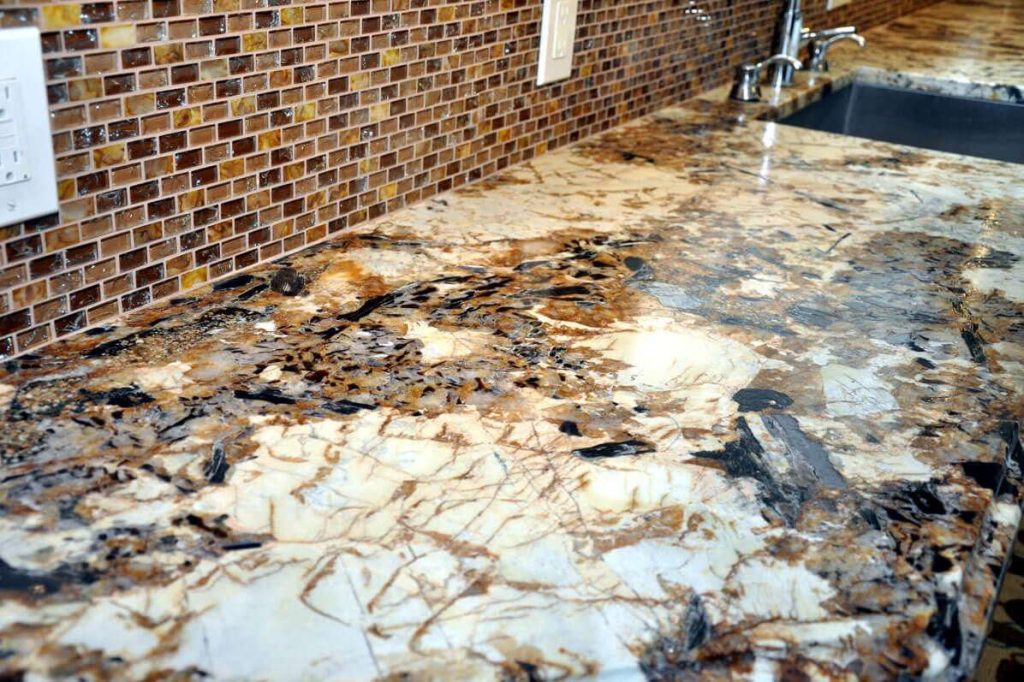 Get Your Free Countertop Consultation
Common Homeowner Mistakes That Cause Heat Damage
Professionals observe residents making identical errors constantly. One major blunder involves dragging heated pots across counters. That action combines thermal stress with physical scratching. Another failure involves assuming “warm” pans remain safe. Even cookware that cooled slightly can ruin delicate seals.
Some individuals believe specific colors resist temperatures better. That notion is incorrect. Dark stones absorb energy just as fast as light varieties. Neglecting space around stovetops is another common oversight. Cooks slide skillets off burners onto adjacent areas. This creates high-risk zones for shock. Treat every inch with equal caution.
Why You Should Play It Safe
Readers now comprehend the dangers of exposing nature’s stone to extreme temperatures. Clearly, the answer to can you put a hot pot on a granite is negative. Risking fractures or burns proves too high. Restoration costs far outweigh the convenience of setting pans down quickly.
Build habits that maintain surfaces whenever you’re cooking. Take it from Cosmos Marble & Granite, your kitchen will remain looking brand new for decades if you know how to take care of it.
Schedule a free consultation today and let our countertop experts help you design a kitchen that’s both beautiful and built to handle real life.
Get Your Free Countertop ConsultationFrequently Asked Questions
1. Does granite crack easily from heat?
Granite develops cracks when severe thermal shock occurs. Rapid temperature changes cause expansion exceeding the stone’s strength, leading to fractures.
2. Can I put a hot pizza box on granite?
Yes, placing cardboard pizza boxes is perfectly safe. The packaging acts as an insulator, and the pie itself is not hot enough to damage stone.
3. How do I fix heat marks on granite?
You can sometimes remove minor stains using poultices. However, deep discoloration or melted sealant usually requires professional repolishing services.
4. Is quartz better than granite for heat?
No, quartz actually handles high heat much worse. The resin binder in those countertops melts and scorches at significantly lower temperatures than natural rock.
5. What is the maximum temperature granite can withstand?
While minerals technically withstand 1,200 degrees Fahrenheit, protective sealants and structural integrity fail at much lower exposure levels.