
Granite or quartz countertops usually come up first during a remodel. Almost automatically. Someone mentions kitchens, and those two words appear. No surprise there. They’re popular. Familiar. Safe choices, at least on paper. But real kitchens don’t live on paper.
They deal with heat, spills, rushed cleanups, and days when no one is being careful. That’s where the difference actually shows. This guide looks at that side of the decision. The lived-in part.
Key Takeaways
Let’s face it. Countertops aren’t chosen in a perfect mindset. They’re chosen between work. Dinner plans. And budget limits. Granite brings character and serious heat resistance. Quartz offers predictability and easier care.
Neither is wrong. The better option depends on what your kitchen looks like on an average day. Not a staged one.
- Granite is a natural stone with patterns that never repeat
- Quartz is engineered and sealed from the start
- Granite needs sealing now and then
- Quartz avoids that step entirely
- Both materials can last decades with proper installation
What Are Granite and Quartz Countertops Made Of?
Granite starts deep underground. Very deep. Heat and pressure shape it slowly, over time frames that are hard to imagine. Once quarried, cut, and polished, what you get is real stone. Heavy. Dense. Unpredictable. Some slabs feel calm. Others are dramatic. That variation is the point.
Quartz countertops take a different path. Natural quartz gets crushed. Blended with resins and pigments. Then pressed into slabs. Still stone at the core. Just guided into a consistent form. The result feels intentional. Controlled. For many homeowners. That predictability makes the decision easier.
Granite basics
- Completely natural stone
- Mineral movement and visual depth
- Naturally handles heat
Quartz basics
- Mostly natural quartz
- Non-porous surface
- Controlled color and pattern
Which Countertop Material Is More Durable for Daily Use?
Durability sounds simple until daily life steps in.
Granite holds up well. Heat rarely fazes it. Scratches are uncommon. That strength comes with a condition, though. Granite is porous. Without sealing, liquids can soak in. Oils especially. Wine too.
Quartz handles wear differently. Spills stay on the surface. Moisture doesn’t sink in. Cleanup is easier. Heat is where things shift. Prolonged high temperatures can damage the resins that bind quartz together.
- Granite tolerates heat during everyday cooking
- Quartz resists stains and moisture more effectively
- Granite depends on sealing for protection
- Quartz suits fast-moving kitchens
How Much Maintenance Do Quartz and Granite Countertops Need?
This is usually where opinions settle.
Granite asks for attention. Not constantly. Just consistently. Sealing protects the surface and keeps it performing well. Skip that step for too long. And stains can appear. It’s manageable. It just requires remembering.
Quartz keeps things simpler. No sealing. No extra treatments. Cleaning stays basic. Soap. Water. Wipe. Done. That ease matters to a lot of homeowners.
- Granite typically needs sealing every one to three years
- Spills on granite should be wiped sooner rather than later
- Quartz never requires sealing
- Quartz stays low-maintenance with mild cleaners
Some people enjoy caring for natural materials. Others don’t want another task. Both viewpoints are fair.
Are Quartz and Granite Good for Resale Value?
In most cases. Yes, absolutely.
Buyers expect quality countertops in an updated kitchen. Granite and quartz both signal that expectation has been met. Granite often appeals to buyers who value natural materials. Quartz tends to attract those who prefer a cleaner, more modern look.
You’d probably agree that installation quality and overall design usually matter more than the material itself when resale enters the picture.
What Should You Consider Before Choosing Quartz or Granite?
Before committing. It helps to pause.
Think about how your kitchen actually functions. Not on its best day. On its busiest one. How often do you cook? Whether hot pans land on the counter without much thought.
How quickly spills get wiped up. Lighting matters too. Cabinet color plays a role. Long-term plans often matter more than expected.
Key factors to think about
- Frequency of high-heat cooking
- Whether the cookware touches the surface directly
- Comfort level with sealing and upkeep
- Preference for organic movement or uniform design
- Natural light and cabinet finishes
- Future resale considerations
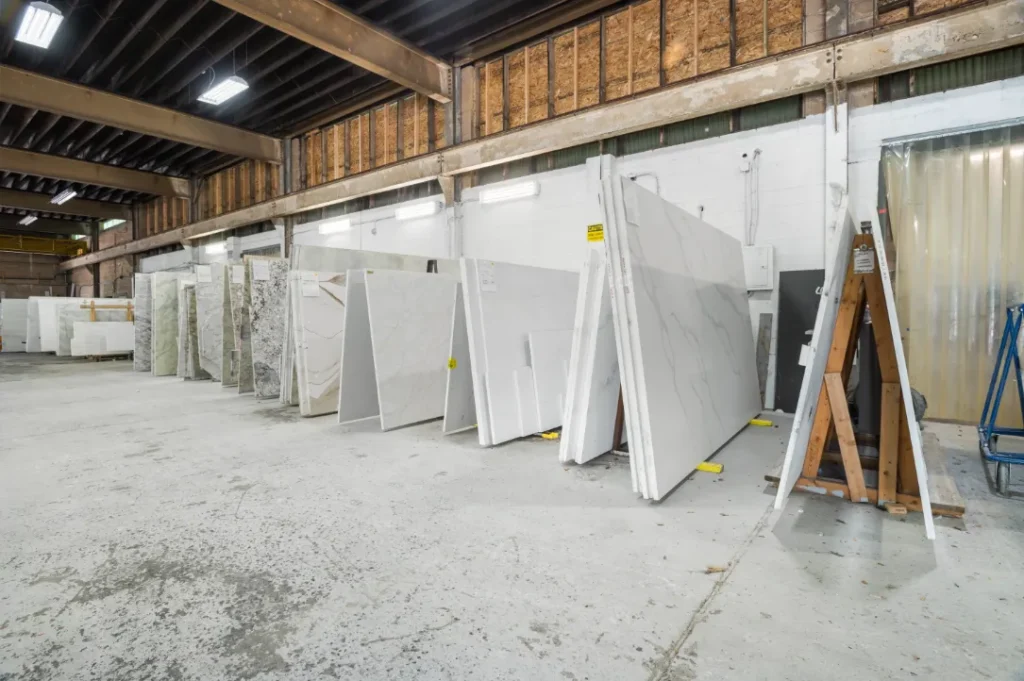
Seeing full slabs in person often answers questions that samples can’t.
 Get Your Free Countertop Consultation
Why Choose Cosmos Marble & Granite for Professional Installation?
Even great material can disappoint if installation misses details. Precision matters. Support matters. Experience matters.
Cosmos Marble & Granite focuses on the details that affect long-term performance. Accurate templating. Proper structural support. Clean seams. The kind of work you don’t notice when it’s done right, but immediately feel when it isn’t.
- Digital templating for accuracy
- Proper support for heavy slabs and overhangs
- Clean seams and precise cuts
- Experienced installation teams
Conclusion
Choosing between quartz and granite countertops isn’t about finding a winner. It’s about fit. Granite brings natural character and heat resistance. Quartz offers consistency and lower effort care. Both work well when chosen intentionally and installed correctly.
For expert guidance and professional installation, contact Cosmos Marble & Granite at (215) 947-2820 to explore granite or quartz countertops that truly make sense for your home.
Get Your Free Countertop ConsultationFrequently Asked Questions
1. Can you use Clorox wipes on quartz?
Occasional use is fine. Daily use isn’t ideal. Over time, the chemicals can dull the surface. Mild dish soap and warm water work better for regular cleaning.
2. Which is more expensive, quartz or granite?
Quartz often costs more than entry-level granite. Rare granite slabs, however, can exceed quartz pricing. Edge profiles and installation also affect the final cost.
3. What lasts longer, quartz or granite?
Both materials can last decades. Granite handles heat well. Quartz maintains its appearance with less maintenance. Longevity depends more on care and installation than on material alone.
4. Is Dawn dish soap safe on quartz?
Yes. Dawn dish soap mixed with warm water is safe for everyday cleaning and won’t damage the surface.
5. What destroys quartz countertops?
Extreme heat. Abrasive scrubbers. Harsh chemicals. Strong solvents can cause damage. Trivets and gentle cleaners help prevent problems.