
Learning how to install granite countertops sounds straightforward at first. Measure the cabinets, place the slab, seal it, and you’re done, right? Not exactly. Granite is heavy, expensive, and surprisingly unforgiving if something is even slightly off. One bad cut or uneven cabinet can turn a beautiful countertop into a costly mistake.
That’s why many homeowners in the Philadelphia area turn to family-owned companies like Cosmos Marble & Granite for professional fabrication and installation. Based in Huntingdon Valley, Pennsylvania, Cosmos Marble & Granite has spent more than 30 years helping homeowners create kitchens and bathrooms that look polished, functional, and built to last. Their experienced team handles everything from design and templating to fabrication and installation, which takes a lot of stress off the homeowner.
Here’s what matters most: installing granite countertops is not just about lifting a slab into place. It involves careful measurements, cabinet preparation, specialized tools, seam placement, leveling, and precision cuts around sinks and appliances. If you want long-term durability and a clean finish, every step counts.
Key Takeaways
- Granite countertop installation requires precise measurements and proper cabinet support.
- Even small installation mistakes can lead to cracks, uneven seams, or costly repairs.
- Professional templating and fabrication usually produce better long-term results.
- Labor costs vary depending on slab size, edge profiles, and kitchen layout.
- Hiring experienced countertop installers in Philadelphia can save time and reduce risk.
Why Granite Countertops Remain Popular in Philadelphia Homes
Granite continues to be one of the most requested countertop materials for kitchens and bathrooms throughout Metro Philadelphia. Homeowners like it because it combines durability with a natural, high-end appearance.
Unlike laminate surfaces, granite can handle heat, resist scratches, and add real resale value to a home. In older Philadelphia rowhomes and newer suburban kitchens alike, granite gives spaces a more custom and finished feel.
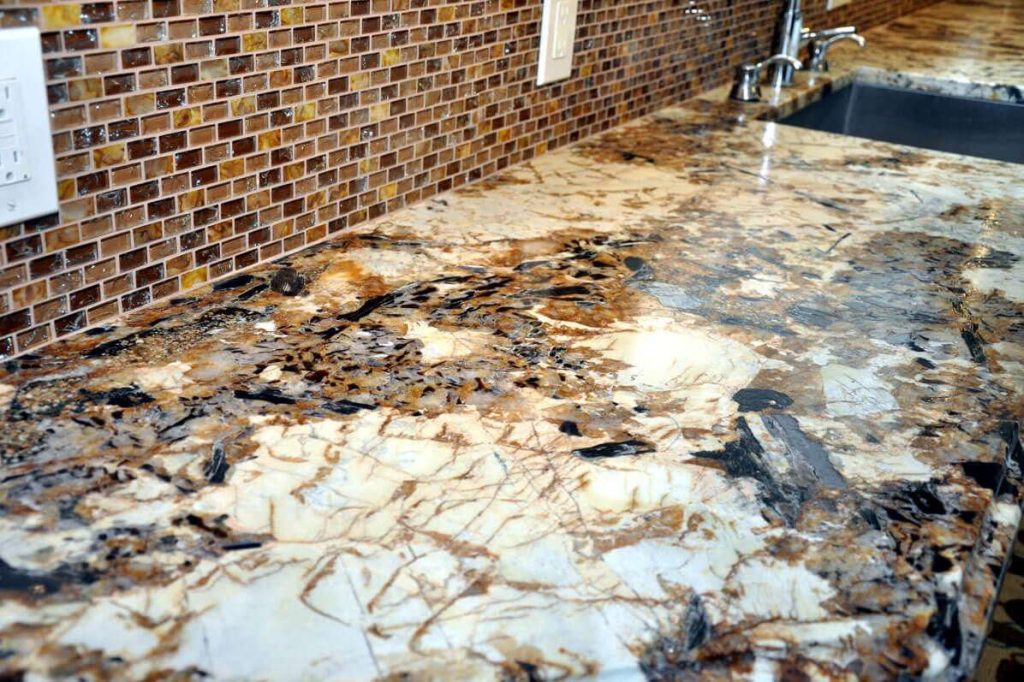
Another reason people choose granite is uniqueness. No two slabs look exactly the same. Natural veining, mineral patterns, and color variations create a one-of-a-kind surface that manufactured materials often cannot replicate.
Still, the beauty of granite also means there’s less room for installation mistakes.
How to Install Granite Countertops: Step-by-Step Overview
If you’re researching how to install granite countertops, this is the basic process professionals follow during a typical installation.
1. Measure and Template the Space
Everything starts with accurate measurements. Installers measure cabinet dimensions, sink locations, appliance clearances, and overhang requirements.
Professional countertop companies often use digital templating systems because even a small error can affect the fit of the slab. Cosmos Marble & Granite uses advanced CNC fabrication equipment and precision templating methods to help minimize seams and improve installation accuracy.
This step is more technical than many homeowners expect.
2. Check Cabinet Strength and Leveling
Granite is extremely heavy. Cabinets must be structurally sound and level before installation begins.
Installers inspect for:
- Uneven cabinet tops
- Weak support areas
- Warped surfaces
- Gaps between cabinets
If cabinets are not level, the granite may crack under stress over time.
3. Prepare the Granite Slab
Once measurements are finalized, the slab is cut according to the kitchen layout.
This includes:
- Sink cutouts
- Cooktop openings
- Faucet drilling
- Edge profile shaping
- Seam preparation
Fabrication requires specialized saws and polishing tools. This is usually done off-site in a fabrication shop.
4. Dry Fit the Countertops
Before adhesive is applied, installers place the granite sections on the cabinets to ensure everything aligns correctly.
At this stage, they check:
- Seam alignment
- Appliance fit
- Wall spacing
- Overhang consistency
Minor adjustments are often made during this step.
5. Secure the Granite
After confirming the fit, installers secure the granite using silicone adhesive or epoxy.
Seams are carefully joined and color-matched to reduce visibility. Professionals also level the slabs during this process to avoid uneven transitions between sections.
6. Install Sink and Plumbing Fixtures
Undermount sinks are usually attached beneath the granite using brackets and adhesive.
Once the countertop is secured, plumbers reconnect:
- Faucets
- Drain lines
- Garbage disposals
- Water supply connections
7. Seal the Granite Surface
Most granite countertops require sealing to help resist moisture and stains.
The sealer creates a protective barrier against spills, cooking oils, and water penetration. Some granites need resealing periodically depending on usage.
Common DIY Mistakes Homeowners Make
Here’s the honest truth. Granite installation is one of those projects that looks easier online than it actually is in real life.
A few common DIY mistakes include:
Incorrect Measurements
Granite cannot simply be “trimmed later” like wood. One bad measurement can ruin an entire slab.
Poor Cabinet Support
Homeowners sometimes underestimate the weight of granite. Unsupported areas may eventually crack.
Uneven Seams
Seams that are improperly aligned stand out immediately and affect the overall appearance of the kitchen.
Chipped Edges During Installation
Granite edges can chip during transport or placement if not handled carefully.
Improper Sink Installation
Undermount sinks require secure reinforcement. Weak installation can eventually lead to sink separation.
This is why many homeowners eventually decide professional installation is worth the investment.
How Much Does Granite Countertop Installation Cost?
Pricing varies depending on the size of the project, granite selection, and kitchen complexity.
In the Philadelphia area, homeowners typically pay anywhere from:
- $40–$100+ per square foot installed
- Higher-end exotic granite may cost more
- Complex layouts increase labor costs
Factors that affect pricing include:
Granite Type
Exotic slabs with rare colors or veining patterns cost more than standard options.
Edge Profiles
Simple eased edges are less expensive than detailed profiles like ogee or waterfall edges.
Number of Seams
Large kitchens may require additional seams, increasing fabrication and installation time.
Cutouts and Customization
Extra sink openings, cooktop cutouts, and custom shapes affect labor costs.
Backsplash Installation
Full-height backsplashes or matching stone walls add to overall project pricing.
Why Professional Installation Usually Pays Off
A lot of homeowners focus only on the initial price of installation. That makes sense. Granite countertops are a significant investment.
But here’s what people sometimes overlook: replacing damaged granite costs far more than installing it correctly the first time.
Professional installers bring:
- Precision measuring tools
- Fabrication expertise
- Heavy lifting equipment
- Proper adhesives and leveling systems
- Experience handling expensive slabs safely
Cosmos Marble & Granite has built a reputation throughout Huntingdon Valley and Metro Philadelphia by simplifying the process for homeowners. Their long-standing team of designers, fabricators, and installers works together to help projects move smoothly from showroom selection to final installation.
That consistency matters more than people realize.
Choosing the Right Granite for Your Kitchen
Not all granite performs the same way. Some stones are denser and less porous than others.
When selecting granite, homeowners should consider:
Color and Lighting
Dark granite can make smaller kitchens feel tighter, while lighter colors help brighten the space.
Maintenance Needs
Some granite types require more frequent sealing.
Kitchen Style
Traditional kitchens often pair well with warm earth tones, while modern spaces lean toward cleaner white or gray patterns.
Daily Usage
Busy family kitchens may benefit from granite patterns that better hide crumbs or water spots.
Visiting a local showroom helps homeowners compare full slabs rather than relying on small samples alone.
 Get Your Free Countertop Consultation
What to Expect During Installation Day
Installation day can move surprisingly fast once fabrication is complete.
Most projects involve:
- Removing old countertops
- Delivering granite sections
- Setting and leveling slabs
- Seaming and polishing
- Installing sinks
- Final sealing and cleanup
Depending on kitchen size, installation may take several hours to a full day.
Homeowners should expect some noise and limited kitchen access during the process.
How to Maintain Granite Countertops After Installation
Once installed, granite countertops are relatively easy to maintain.
A few simple habits help preserve the surface:
- Wipe spills quickly
- Use mild soap and water
- Avoid harsh chemical cleaners
- Use cutting boards when possible
- Reseal periodically if recommended
Granite is durable, but regular care still matters.
Conclusion
While learning how to install granite countertops will often help homeowners understand what is involved in the process, it likely also shows one thing: proper installation requires precision, planning and experience. There are many opportunities for expensive errors if the work is hurried or improperly done—from cabinet leveling to seam placement to slab handling.
This is the reason why numerous property holders all over Philadelphia rather decide to hire an expert than do home installation and have a full do-it-yourself project. Cosmos Marble & Granite has been in the business of helping homeowners design, fabricate and install gorgeous stone countertops that last a lifetime for over thirty years. An efficient concept team merges craftsmanship with state of the art fabrication technologies to provide cleans results with fewer installation problems.
If you are in the planning stages of upgrading your kitchen or bathroom and researching how to install granite countertops, have a conversation now with a reputable local professional who can take you through the process step by step.
Contact Cosmos Marble & Granite today to schedule a consultation and get expert help designing and installing custom granite countertops in the Philadelphia area.
Get Your Free Countertop ConsultationFrequently Asked Questions
Q: Can I install granite countertops myself?
A: Technically yes, but granite installation requires specialized tools, heavy lifting equipment, and fabrication experience. Most homeowners hire professionals to avoid damaging expensive slabs.
Q: How long does granite countertop installation take?
A: Most installations take one day after fabrication is complete, although larger or more complex kitchens may require additional time.
Q: Do granite countertops need plywood support underneath?
A: In many cases, modern cabinets provide enough support. However, some overhangs or thinner slabs may require additional reinforcement.
Q: How heavy are granite countertops?
A: Granite typically weighs around 18–20 pounds per square foot, depending on thickness.
Q: How often should granite countertops be sealed?
A: Many granite countertops should be resealed every 1–3 years, depending on the stone type and daily use.