
Best Local Marble Countertops Near You
Browse marble samples
Marble countertops near you
Marble is often chosen for its veining, soft color, and the way it gives a room a more traditional or sculptural look. It can work in kitchens, bathrooms, and other fitted spaces when the homeowner is comfortable with its care needs.
Why homeowners choose marble
- Natural veining and variation that make every slab distinct.
- White, gray, warm, and blue-toned options in many patterns.
- A material that can develop a visible patina with use.
- Options for vanities, kitchens, backsplashes, fireplaces, and fitted surfaces.

Marble care and performance
Marble is often chosen for its distinctive veining and soft color. It also requires informed care, especially where food, drinks, cosmetics, or acidic cleaners are used.
What marble is
Marble is natural stone formed through heat and pressure, then cut into slabs and finished for use. Color, veining, mineral features, and absorption vary, so care guidance should be based on the exact stone selected.
Color and veining
Marble can range from quiet white and gray movement to warmer, darker, or more layered patterns. Review the actual slab when possible and plan how the veining will continue across seams, islands, backsplashes, and finished edges.
Etching and stains
Acidic foods and cleaners can etch true marble, leaving a dull mark that is different from a stain. A suitable impregnating sealer can improve stain resistance, but it does not prevent etching or make the stone stain-proof.
Cleaning, heat, and scratches
Blot spills promptly and clean with a soft cloth, warm water, and a mild stone-safe cleaner. Use trivets and cutting boards because marble is softer than granite and can scratch, chip, or show wear more readily.
Where marble can work
Bathroom vanities
Marble is often considered for vanity tops because its veining works naturally with tile, metal finishes, and painted or wood cabinetry. Confirm sink openings, faucet placement, edge details, and the care plan before fabrication.
Ask about marble remnantsKitchen countertops and islands
Marble can be used in a kitchen when the homeowner understands etching, possible staining, and the patina that may develop. Slab layout and daily habits matter as much as the initial color choice.
Review countertop edge optionsBacksplashes and wall surfaces
A marble backsplash or wall surface can carry the slab's movement vertically. Layout planning should account for seams, outlets, windows, cabinets, and how the veining changes from one piece to the next.
See current full-backsplash offer termsFireplaces and smaller fitted surfaces
Marble can also be considered for fireplace surrounds, shelves, tables, and other fitted interior surfaces. The selected stone, dimensions, support, edge treatment, and exposure conditions should be reviewed for the exact application.
Review the installation processOur marble projects
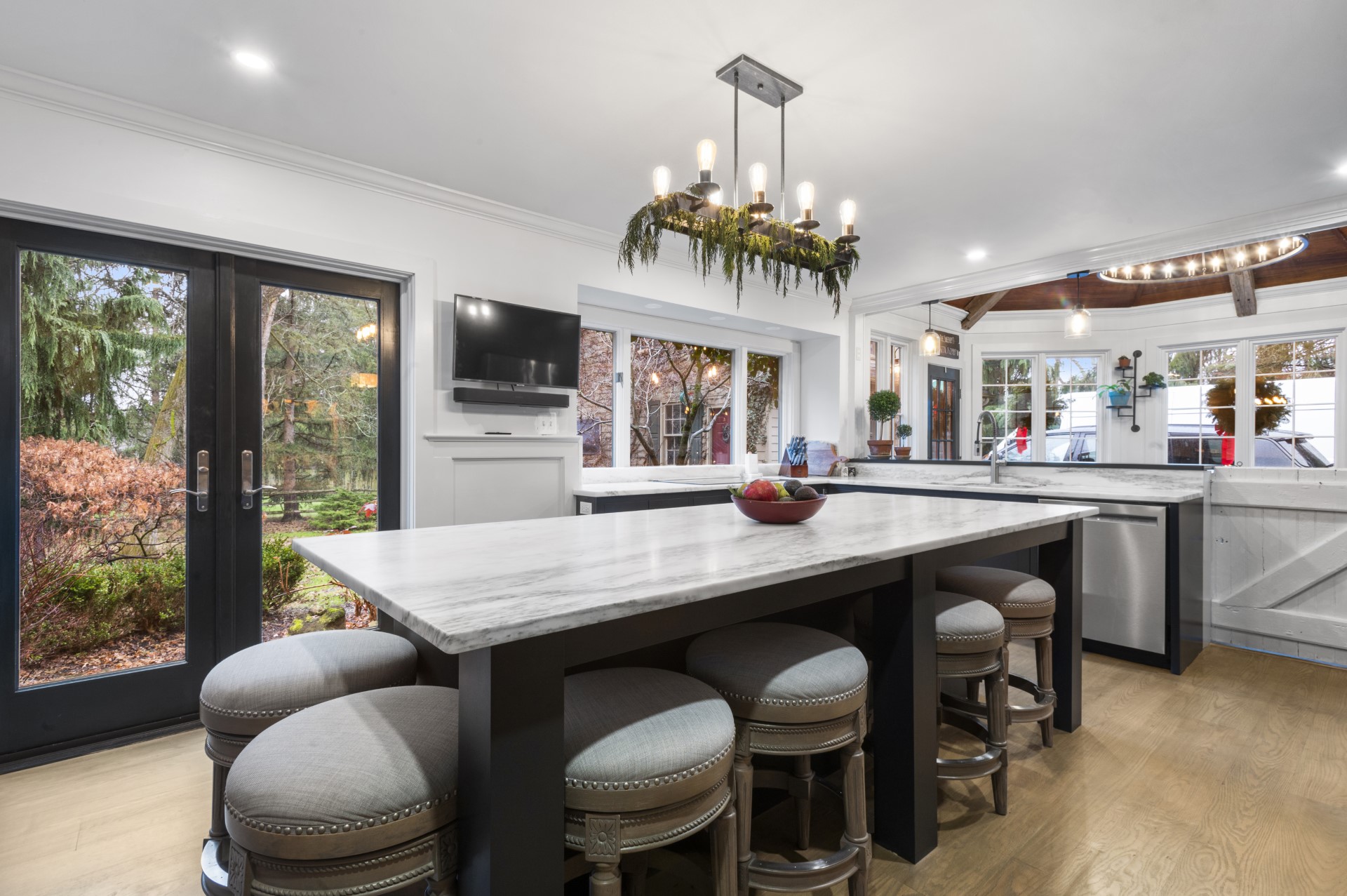
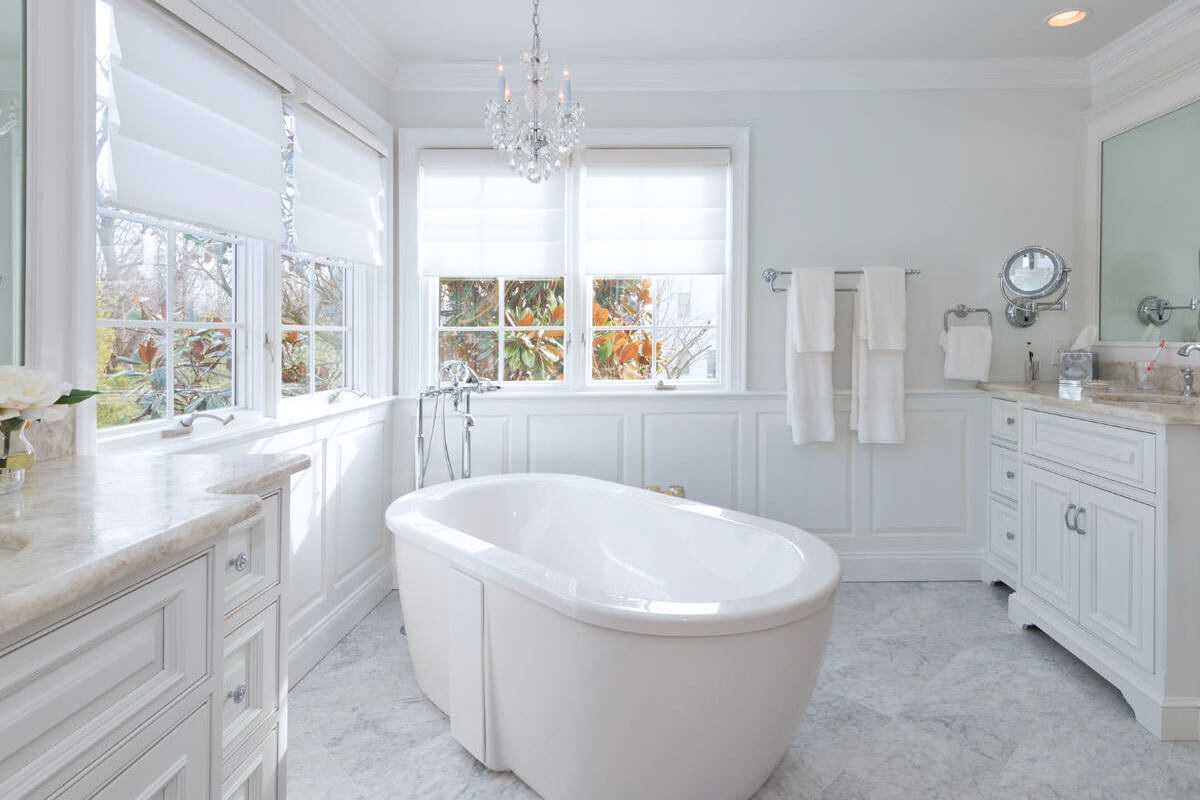
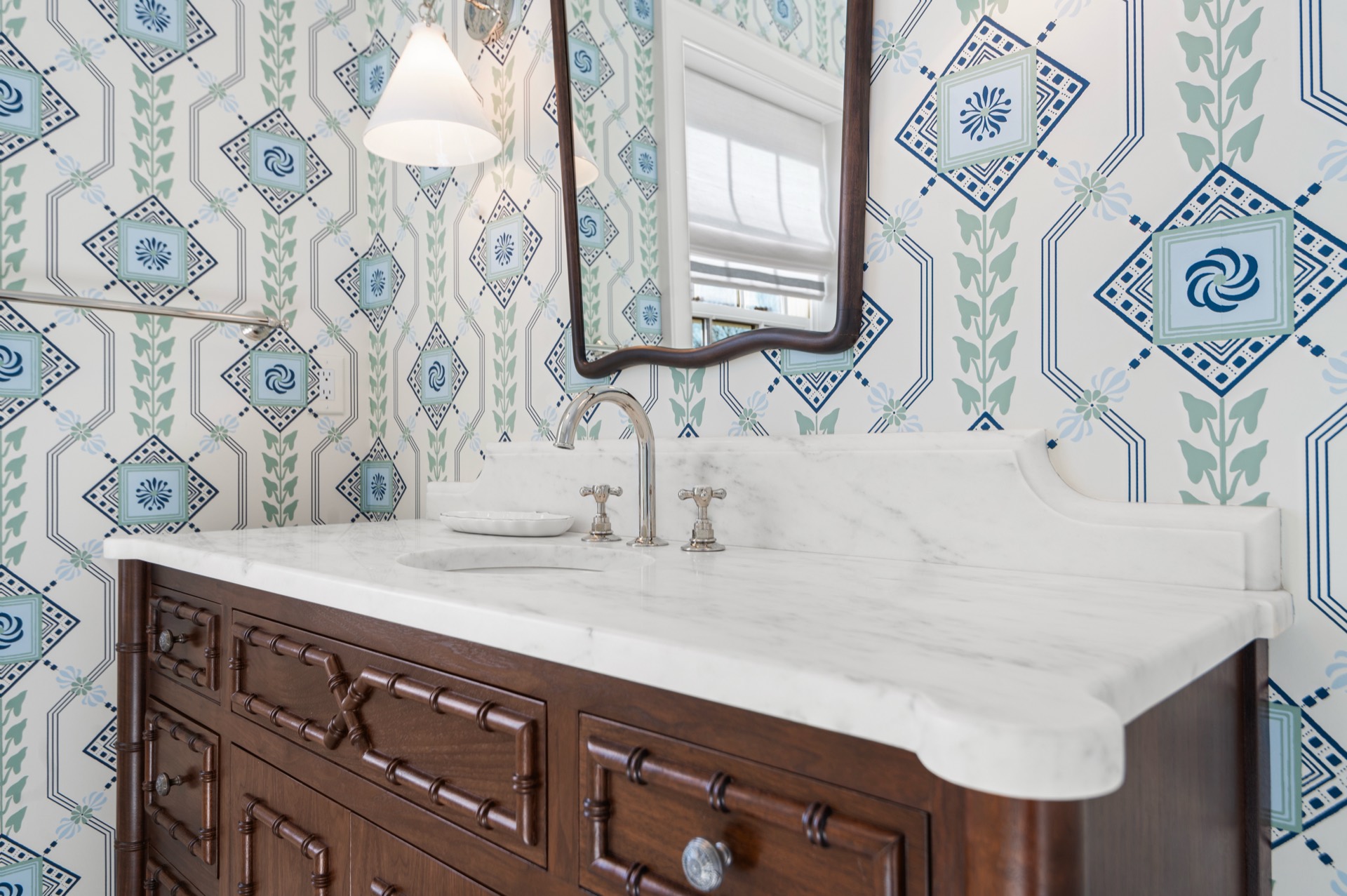
Plan your next project
Start with the color and veining you love, then confirm the actual slab, care expectations, and project details with Cosmos.
- 01
Build a shortlist
Save the marble samples, colors, and veining patterns that fit the room you are planning.
- 02
Review the actual slab
Compare the available slab or larger-scale imagery when possible. Natural color, veining, and mineral features vary from piece to piece.
- 03
Plan the veining
Look at how the movement can continue across counters, seams, islands, backsplashes, and finished edges before approving the layout.
- 04
Match the room
Compare the marble with cabinets, flooring, tile, paint, fixtures, and lighting. Bring samples or photos when they are available.
- 05
Confirm finish and care
Review the selected finish, sealing plan, cleaning guidance, and the likelihood of etching, stains, scratches, and patina for the exact stone.
- 06
Finalize the project
Confirm the quote, sink, edge, backsplash, seams, supports, and layout details before the countertop is measured.
- 07
Template and fabricate
Once the project is ready, Cosmos measures the finished layout and fabricates the marble pieces to the confirmed details.
- 08
Install
Cosmos fits, levels, seams, secures, and inspects the finished marble, then reviews the applicable care guidance with you.
For the general project scope, read the countertop installation process.
Marble countertop FAQs
Can marble be used for kitchen countertops?
Yes. Marble can work in a kitchen when the homeowner understands that acidic foods and cleaners can etch it, stains are possible, and a visible patina may develop with use.
What is the difference between etching and staining?
Etching is a dull mark caused when acid reacts with true marble. A stain happens when the stone absorbs a substance and the color changes. They are different problems and may require different care.
Does sealing prevent marble from etching?
No. A suitable impregnating sealer can improve stain resistance, but it does not prevent acidic foods or cleaners from etching marble and does not make the stone stain-proof.
How should marble countertops be cleaned?
Blot spills promptly and clean with a soft cloth, warm water, and a mild stone-safe cleaner. Use trivets and cutting boards to help protect the finish and edges.
Where can marble be installed?
Marble can be considered for bathroom vanities, kitchen countertops and islands, backsplashes, fireplace surrounds, shelves, tables, and other fitted interior surfaces.